

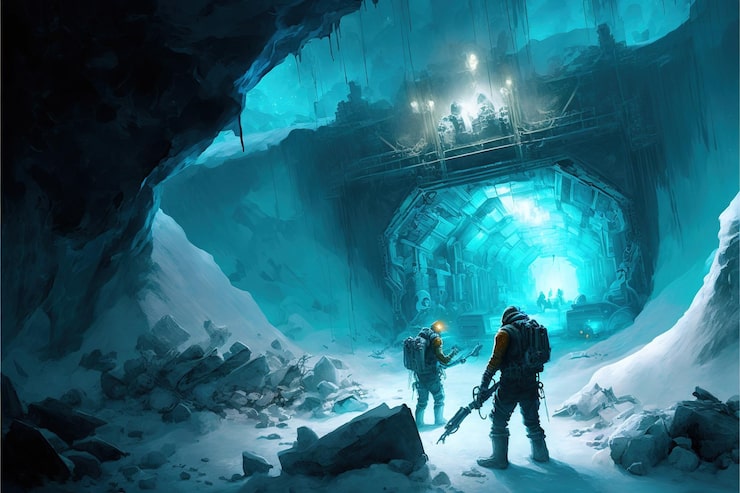
Exploration of the subterranean world offers incredible scientific insights and recreational challenges, but it also carries significant risks. When an accident occurs deep underground, the primary challenge is establishing contact with the surface. Traditional radios fail as rock absorbs radio waves, necessitating a shift toward ground coupled communication to ensure that rescue teams can coordinate effectively during critical life-saving operations.
The Challenges of Subterranean Signaling
Standard communication devices, such as walkie-talkies or satellite phones, rely on electromagnetic waves traveling through the air. In a cave or mine, the dense layers of limestone, granite, and soil block these signals almost immediately. This physical barrier often leaves trapped explorers isolated, forcing rescuers to rely on slow, physical runners to relay messages back and forth to the surface command post.
Overcoming Rock Impedance
To penetrate these solid obstacles, engineers have developed systems that utilize low-frequency magnetic or seismic waves. Unlike high-frequency radio waves which scatter, these longer wavelengths travel directly through the earth. This allows for a stable link between the cave floor and the surface, regardless of the twists and turns of the tunnel system, providing a direct line of support.
Speed of Deployment in Emergencies
Time is the most valuable resource during a rescue. Laying miles of hard-wired field telephones is labor-intensive and slow, often taking hours or days. Wireless through-earth systems can be deployed in minutes. Rescuers simply place the sensors on the ground, calibrate the device, and establish a link, allowing medical advice and logistical planning to begin immediately.
establishing a Robust Rescue Grid
A successful rescue operation often involves hundreds of personnel, heavy machinery, and precise coordination. Integrating a ground based communication network allows the command center to track multiple teams simultaneously. This grid ensures that every unit, from the divers in the sump to the drillers on the surface, operates with the same real-time information.
Portable Units for Deep Exploration
Modern ground-penetrating communication devices are designed to be rugged and lightweight. This portability is essential for cavers who must squeeze through narrow fissures and wade through underground rivers. The equipment is waterproof and shock-resistant, ensuring it remains functional even after being dragged through the harshest environments on the planet.
Battery Life and Signal Range
Deep operations can last for weeks, making power management a critical concern. These specialized systems utilize energy-efficient protocols to maximize battery life. Furthermore, the signal range is optimized for vertical penetration, often capable of reaching through hundreds of meters of solid rock, which covers the depth of most recreational and industrial cave systems.
Conclusion
The adoption of through-earth signaling technology has fundamentally changed the safety protocols of subterranean exploration. It provides a lifeline where none existed before, transforming the terrifying isolation of a cave accident into a manageable crisis. As these devices become more accessible, they are becoming standard equipment for expeditions worldwide.
Ultimately, the goal is to bring every explorer home safely. By investing in reliable communication infrastructure that works with the geology rather than against it, rescue organizations can drastically improve their success rates. This technology acts as a bridge through the dark, connecting the deep underground with the hope and resources of the surface.
