

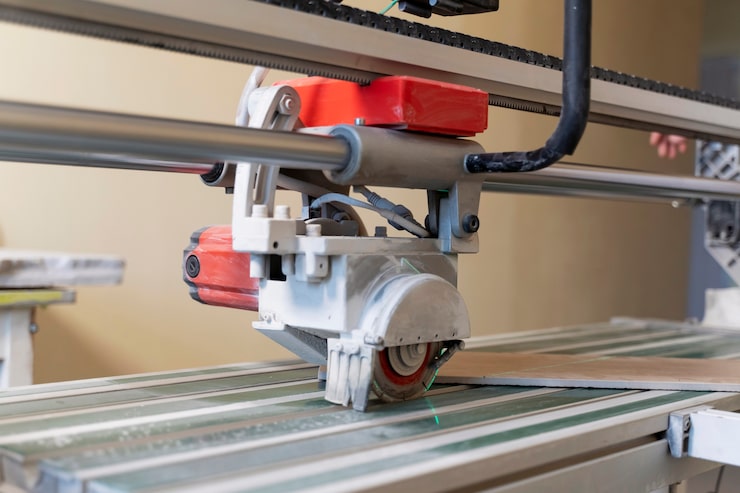
In modern woodworking and manufacturing, precision and speed are essential for staying competitive. A CNC wood cutting machine has become a game-changer, allowing businesses to automate cutting, shaping, and carving processes with remarkable accuracy. These machines reduce human error, minimize material waste, and enable complex designs that would be difficult or impossible with traditional tools. Whether you run a small workshop or a large-scale production facility, understanding the capabilities and advantages of CNC wood cutting machines can help you make informed decisions and optimize your workflow.
What is a CNC Wood Cutting Machine?
A CNC wood cutting machine is a computer-controlled device used to cut, carve, and shape wood according to digital designs. Unlike traditional manual tools, these machines follow pre-programmed instructions, ensuring consistent and precise results. CNC machines can handle a variety of woodworking tasks, from simple cuts to intricate patterns and 3D carvings. They are widely used in furniture making, cabinetry, signage, and decorative woodworking projects, providing both efficiency and versatility.
Key Features of CNC Wood Cutting Machines
CNC wood cutting machines come with features designed to improve performance and productivity:
- Precision and Consistency: CNC technology ensures every cut is accurate and repeatable, reducing errors and rework.
- Large Work Area: Many machines accommodate large panels or sheets, making them suitable for bigger projects.
- CAD/CAM Software Integration: Digital designs can be easily converted into physical products, streamlining production.
- Multiple Tool Options: Machines often support automatic tool changers for cutting, engraving, and drilling in one run.
- Durable Construction: Industrial-grade materials and robust frames ensure long-term performance in demanding environments.
Benefits of Using CNC Machines in Woodworking
Investing in a CNC machine brings numerous advantages:
- Increased Productivity: Automation speeds up production compared to manual cutting methods.
- Consistent Quality: Each piece meets the same high standards, essential for large-scale production.
- Material Efficiency: Optimized cutting paths reduce waste and make the most of raw materials.
- Complex Designs Made Simple: Intricate carvings, patterns, and 3D shapes can be produced efficiently.
- Reduced Labor Costs: Less manual intervention is required, allowing staff to focus on other tasks.
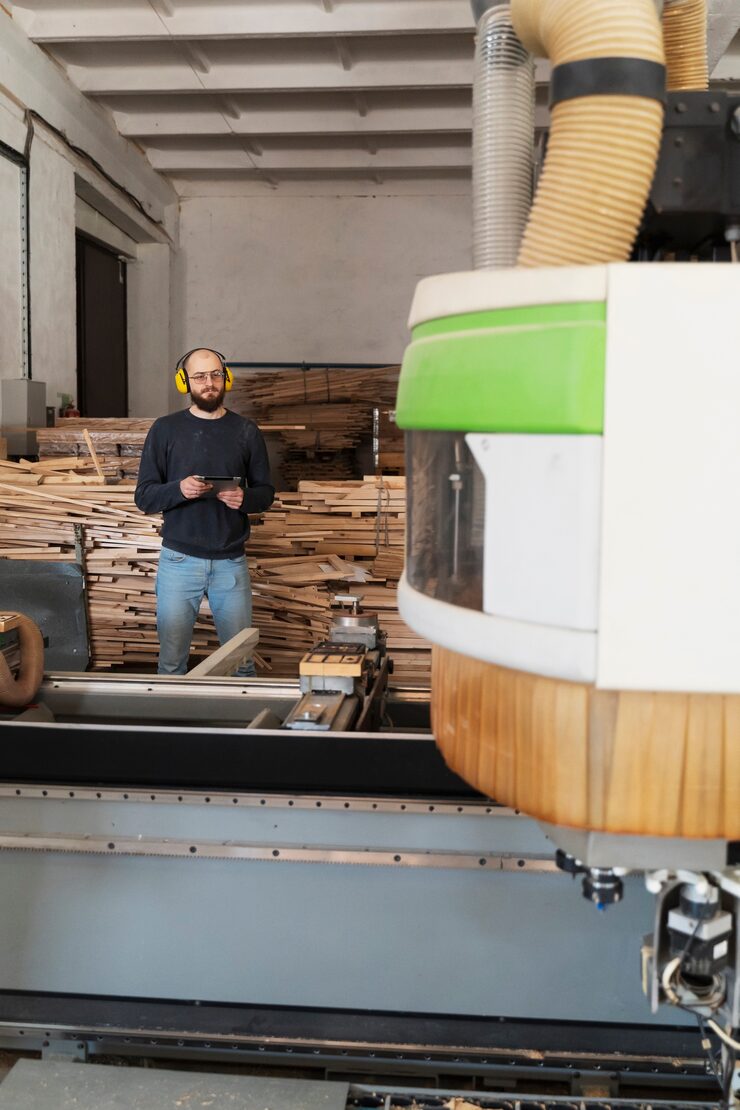
Selecting the Right CNC Cutting Machine
Choosing the ideal CNC cutting machine depends on your project requirements and business goals. Key considerations include:
- Material Compatibility: Ensure the machine can handle the types of wood or composite materials you work with.
- Cutting Area: Match the machine’s bed size with your typical project dimensions.
- Spindle Power and Speed: Higher spindle power enables faster cutting and handling of tougher materials.
- Software Support: Confirm compatibility with your design software for seamless workflow.
For optimal performance, the CNC cutting machine should provide a balance of speed, precision, and durability suitable for your workshop’s needs.
Applications in Woodworking and Manufacturing
CNC wood cutting machines are versatile tools used across many sectors:
- Furniture and Cabinetry: Create custom furniture pieces, doors, and panels with precision.
- Decorative Woodworking: Carve intricate designs and artistic patterns efficiently.
- Signage Production: Cut letters, logos, and decorative elements from wood or composites.
- Prototyping and Production: Rapidly produce prototypes or small batches with high accuracy.
- Educational and Training Workshops: Teach students or trainees modern woodworking techniques with CNC technology.
These applications highlight how CNC machines improve productivity, creativity, and accuracy in various woodworking tasks.
Maintenance and Safety Tips
Proper maintenance and safety practices ensure long-term performance and operator protection:
- Regular Cleaning: Remove sawdust and debris from the work area and moving parts.
- Lubrication: Keep mechanical components well-lubricated to reduce wear.
- Calibration Checks: Periodically verify alignment and accuracy to maintain precision.
- Operator Safety: Follow guidelines and use protective equipment to prevent accidents.
Routine care helps prevent downtime and ensures your CNC machine operates at peak efficiency.
Conclusion
A CNC wood cutting machine is an essential investment for modern woodworking workshops and manufacturing facilities. By automating cutting and shaping tasks, these machines enhance productivity, ensure consistent quality, and open possibilities for complex designs. Whether producing custom furniture, signage, or decorative woodwork, integrating CNC technology can transform your workflow and give your business a competitive edge. Choosing the right CNC cutting machine tailored to your needs ensures long-term reliability, efficiency, and precision, making it a crucial tool for any serious woodworker or manufacturer.