

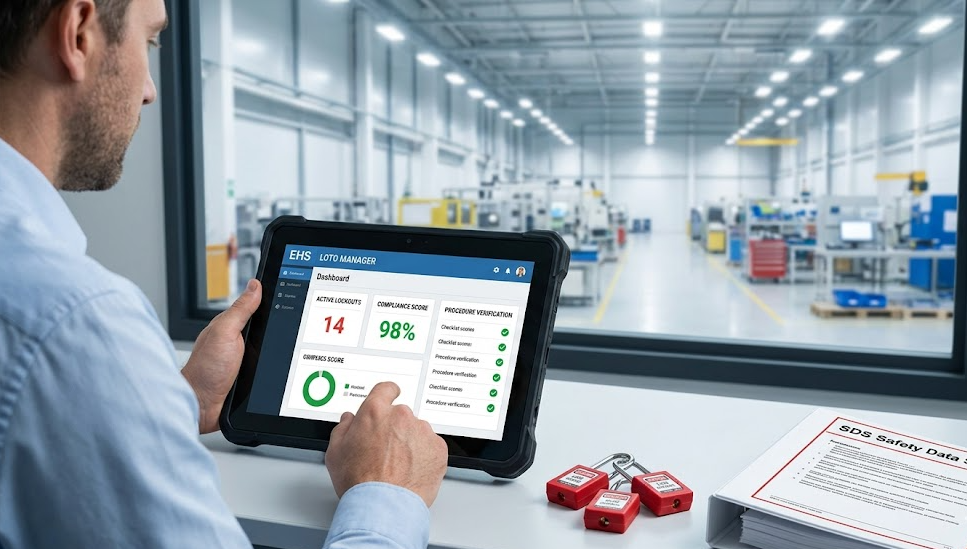
Managing hazardous chemicals in today’s complex industrial environments requires more than basic documentation, and this is where SDS software plays a crucial role by helping organizations organize safety data, improve compliance, and protect employees from potential risks in a structured and efficient way. Safety Data Sheets contain vital information about chemical properties, hazards, handling methods, and emergency measures, and when managed through advanced software, they become even more powerful tools for improving workplace safety and ensuring regulatory compliance across operations.
- The Evolution of Chemical Safety Management
- Why Centralized SDS Systems Are Essential
- Enhancing Workplace Awareness Through Better Information Access
- Integrating SDS with Broader Safety Systems
- Overcoming Challenges in Chemical Safety Compliance
- Leveraging Technology for Safer Operations
- Building a Culture of Safety Through Digital Tools
- Conclusion
- FAQ
The Evolution of Chemical Safety Management
Over the years, chemical safety management has shifted from traditional paper-based systems to advanced digital solutions that offer greater efficiency, accuracy, and accessibility, allowing organizations to manage large volumes of safety data without the limitations of manual processes. Earlier methods often resulted in misplaced documents, outdated information, and delays in accessing critical data during emergencies, which could increase the risk of accidents and compliance failures. With the introduction of SDS software, businesses can now centralize all safety data sheets in a single platform, ensuring that employees have quick and easy access to the most up-to-date information whenever they need it, which significantly enhances safety and operational efficiency.
Why Centralized SDS Systems Are Essential
A centralized SDS system is essential for maintaining consistency and reliability in safety management, as it allows organizations to store, update, and access all safety data sheets from one location, eliminating the need for multiple disconnected systems that can lead to confusion and errors. This centralized approach not only improves accessibility but also ensures that all employees are working with the same accurate information, which is critical for preventing accidents and maintaining compliance with safety regulations. By providing real-time access to safety data, SDS software helps organizations respond quickly to potential hazards and emergencies, reducing risks and improving overall safety performance.
Enhancing Workplace Awareness Through Better Information Access
One of the key benefits of SDS software is its ability to improve workplace awareness by making safety information readily available to employees, enabling them to understand the risks associated with hazardous materials and take appropriate precautions while working. When employees have easy access to clear and accurate information, they are more likely to follow safety protocols and avoid unsafe practices that could lead to accidents. This increased awareness not only protects workers but also contributes to a stronger safety culture within the organization, where safety is prioritized and continuously improved.
Integrating SDS with Broader Safety Systems
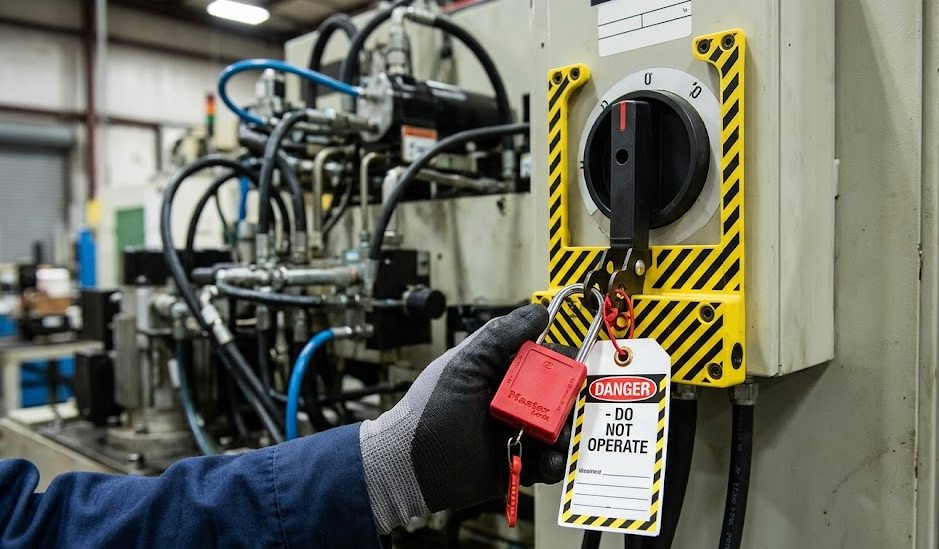
For maximum effectiveness, SDS software should be integrated with other safety management systems to create a comprehensive approach to workplace safety that addresses multiple types of risks. For example, combining SDS management with procedures like Lockout Tagout ensures that both chemical hazards and equipment-related risks are properly controlled, providing a more complete safety framework that reduces the likelihood of incidents. This integration allows organizations to manage all aspects of safety within a single platform, improving efficiency and ensuring that safety practices are consistently applied across all operations.
Overcoming Challenges in Chemical Safety Compliance
Organizations that rely on manual methods for managing safety data often face several challenges that can impact their ability to maintain compliance and ensure workplace safety, including difficulties in keeping documents updated, limited accessibility, and the risk of human error. These challenges can lead to compliance gaps, increased risks, and potential penalties, making it essential for businesses to adopt more reliable and efficient solutions. SDS software addresses these issues by automating updates, providing real-time access to information, and ensuring that all safety data is accurate and up to date, helping organizations stay compliant and reduce risks.
Leveraging Technology for Safer Operations
Technology has become a key driver of safety improvements in modern workplaces, and SDS software is a prime example of how digital solutions can enhance safety management and compliance. Platforms like OSHEPRO offer advanced EHS management software with ESG tools that help organizations automate compliance processes, manage safety data efficiently, and improve overall safety performance. By leveraging such technology, businesses can streamline their operations, reduce administrative workload, and ensure that all safety requirements are consistently met, creating a safer and more efficient work environment.
Building a Culture of Safety Through Digital Tools
Creating a strong safety culture requires more than just implementing procedures; it involves providing employees with the tools and information they need to work safely and confidently in their roles. SDS software supports this goal by ensuring that safety data is always accessible, accurate, and easy to understand, enabling employees to make informed decisions and follow best practices. Regular training and continuous improvement initiatives further reinforce this culture, helping organizations maintain high safety standards and adapt to changing requirements over time.
Conclusion
SDS software is an essential tool for modern organizations that want to improve workplace safety, ensure compliance, and manage hazardous materials effectively in an increasingly complex regulatory environment. By replacing outdated manual systems with advanced digital solutions, businesses can gain better control over safety processes, improve efficiency, and create safer work environments for their employees. Investing in SDS software not only helps organizations meet regulatory requirements but also supports long-term success by reducing risks, enhancing performance, and promoting a culture of safety.
FAQ
What is SDS software used for
SDS software is used to manage safety data sheets, providing employees with access to critical information about hazardous chemicals and ensuring compliance with safety regulations.
How does SDS software improve workplace safety
It improves safety by centralizing data, providing real-time access to information, and helping employees understand and manage risks effectively.
Is SDS software necessary for all industries
SDS software is especially important for industries that handle hazardous materials, but it can benefit any organization looking to improve safety and compliance.
