

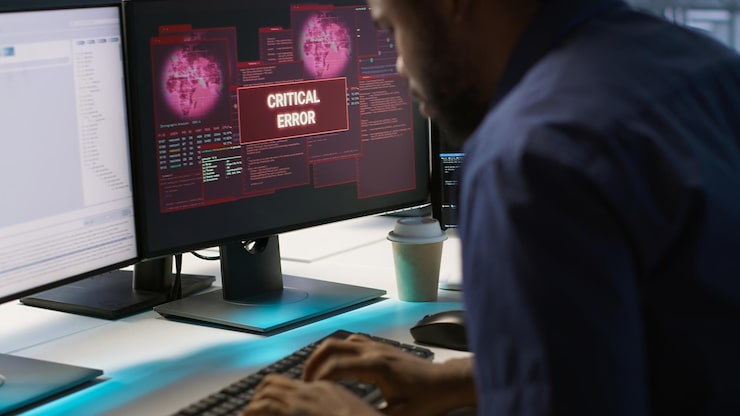
Digital trust forms the foundation of modern corporate business relationships. Customers and partners expect organizations to secure communication networks completely. However, the proliferation of artificial intelligence tools threatens this digital certainty. Malicious actors forge official communications to spread damaging disinformation campaigns.
Corporate brands face immense risks from unverified synthetic video files. Forged statements from executives can damage stock prices within minutes. Organizations must build digital verification infrastructure to protect public reputations. Relying on slow manual checks leaves companies vulnerable to rapid attack distribution.
Automated verification platforms offer a scalable solution for media security. These tools analyze multimedia assets instantly to confirm original source files. Implementing these automated checks protects internal workflows from corrupted external media. Secure infrastructure preserves enterprise integrity in an unverified digital world.
Navigating Media Manipulation with Security Awareness
Navigating the complex landscape of digital media manipulation requires technical expertise. Threat actors use advanced generative adversarial networks to produce realistic fakes. Traditional security protocols cannot keep pace with these automated generation tools. Organizations must update technical Awareness to implement effective defensive firewalls.
Security personnel study how artificial intelligence models manipulate image pixels. Understanding these technical processes allows teams to configure better detection rules. Enhanced knowledge leads to faster mitigation of active multimedia phishing threats. Continuous technical education secures corporate networks from advanced identity manipulation.
Implementing Verification Systems for Deepfake Preparedness
Implementing specialized media verification systems protects enterprise data pipelines. These systems inspect incoming multimedia files for signs of artificial intelligence generation. The software flags variations in audio frequencies and image layers. Achieving proper Deepfake Preparedness requires integrating these automated verification tools into daily network operations.
Verification engines check cryptographic signatures to prove asset authenticity. When a file lacks a verified signature, the system isolates it automatically. This defensive step prevents malicious synthetic content from reaching corporate stakeholders. Secure verification systems maintain communication integrity across the entire enterprise.
Restoring Public Trust with Brand Awareness
A successful disinformation campaign can harm a company’s public standing. Public relations teams must respond quickly when fake brand assets appear online. Organizations deploy media monitoring tools to catch forged corporate videos early. Maintaining high brand vigilance helps corporate leaders protect corporate identity resources.
Sharing verified media logs with the public restores customer confidence. Companies use public channels to explain how they identify and block fake content. Transparent communication proves the organization prioritizes information accuracy and customer safety. Strong public engagement protects brand reputation during digital manipulation crises.
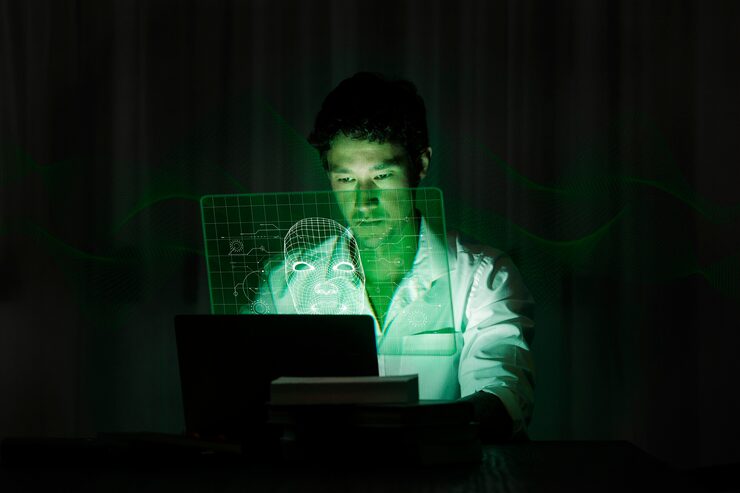
Technical Standards for Global Deepfake Preparedness
Global technology organizations develop unified standards for media authenticity tracking. These standards create digital watermarks that track a file’s entire creation history. Adopting these open standards helps enterprises verify external multimedia assets effortlessly. Global cooperation strengthens defensive measures against international cybercrime networks.
Technical teams upgrade corporate content management systems to support authentication standards. Every official corporate video receives an unalterable digital tracking tag. This tag allows media outlets to verify corporate statements instantly. Implementing standardized tracking ensures long-term communication safety across global media channels.
Building Robust Frameworks for Better Awareness
Building robust security frameworks requires combining technical tools with clear policies. Companies outline specific processes for verifying incoming multimedia data files. IT departments manage access permissions to ensure only authorized users handle sensitive media. Structured defense frameworks eliminate common security gaps in corporate networks.
Regular policy compliance reviews keep security frameworks operating efficiently. Auditors test system resilience against simulated media exploitation tactics. The review findings help managers improve network configurations and employee training modules. Constant evaluation maintains peak operational safety levels across the firm.
Analyzing File Integrity for Deepfake Preparedness
File integrity analysis reveals hidden modifications within digital media assets. Detection software scans file metadata structures for inconsistent compression history records. These technical anomalies indicate that a file has been altered using artificial intelligence models. Complete analytical reporting provides the foundation for operational cybersecurity readiness.
Automated integrity checkers run silently in the background of communication platforms. They scan all uploaded media without interrupting standard user collaboration workflows. When the software detects a corrupted file, it alerts administrators immediately. Continuous background scanning provides seamless security protection for enterprises.
Collaborative Threat Intel for Enhanced Awareness
Cybersecurity teams share threat intelligence data to combat global media manipulation. When one company discovers a new synthetic threat tactic, they log it. Sharing this data helps other organizations update firewalls before facing attacks. Collaborative intelligence networks improve collective digital protection.
Subscribing to automated threat feeds keeps corporate detection systems fully updated. The software downloads new file signatures and manipulation patterns daily. These constant updates ensure detection engines remain effective against cutting-edge generation tools. Collective data sharing enhances enterprise defensive capabilities globally.
Scalable Cloud Architecture for Deepfake Preparedness
Cloud-based detection tools offer the processing power needed for deep media analysis. The scalable system handles thousands of simultaneous file verifications smoothly. Large corporations rely on cloud architecture to secure distributed international workforces. Scalable solutions deliver fast, accurate results without draining local IT resources.
Cloud platforms update threat definitions automatically across all corporate devices. Remote workers receive the same high level of protection as office employees. Centralized management simplifies security administration for global IT support teams. Robust cloud security infrastructure guarantees reliable enterprise threat mitigation.
Final Overview of Corporate Awareness
Maintaining digital trust requires an active and multi-layered cybersecurity infrastructure. Enterprises must deploy automated file verification tools alongside continuous employee education programs. Relying on outdated defensive methods leaves networks exposed to advanced artificial intelligence threats. A proactive security posture preserves operational integrity and protects corporate brand reputations.
Deepfake Dashboard offers the essential tools needed to build long-term digital resilience. The platform provides detailed threat analysis, secure simulation drills, and verification services. Organizations protect critical information assets through structured training and technical integration. Prioritizing modern media verification safeguards the future of business communications.
Infrastructure Guide for Deepfake Preparedness
Q1: What is the purpose of cryptographic signatures in media files?
A: Cryptographic signatures prove the authenticity and origin of a digital file. Security systems check these digital marks to confirm the file has not been altered by malicious artificial intelligence tools since its creation.
Q2: How does cloud architecture support organizational awareness?
A: Cloud architecture provides centralized management for security training and threat monitoring. It ensures that threat definition updates reach all corporate devices instantly, maintaining consistent security alertness across global teams.
Q3: Why is collaborative threat intelligence important for security?
A: Cybercriminals develop new media manipulation tactics rapidly. Sharing threat data allows companies to update detection systems and prepare workforces for new attacks before those threats actually target the internal corporate network.
