


Clinical Decision Support Systems assist doctors every day. Medicine is incredibly complex. There are thousands of diseases. Also, there are thousands of drugs. No human can remember everything. This technology acts as a safety net. It analyzes patient data instantly. Therefore, it spots potential errors. For example, it checks drug allergies. If a doctor prescribes the wrong pill. The system sends a warning. As a result, the mistake is stopped. Most importantly, the patient is safe. Quality of care improves drastically.
Accurate Diagnoses
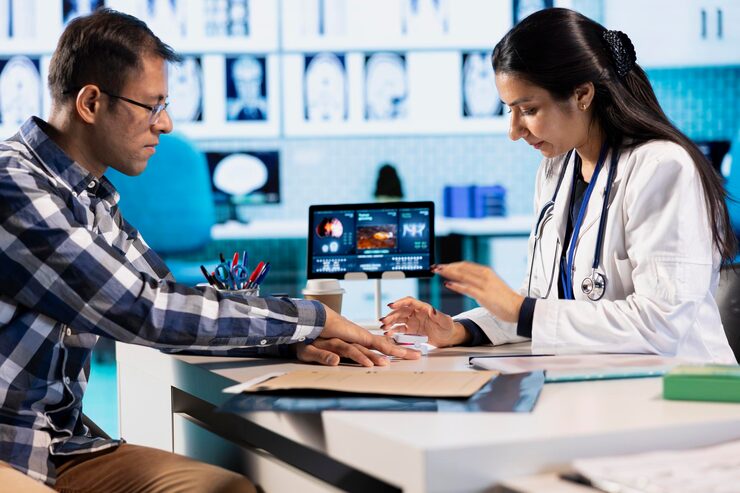
Diagnosing a patient is hard work. Symptoms can be confusing. Many diseases look the same. Clinical Decision Support Systems suggest possibilities. The doctor enters the symptoms. The system searches medical records. Then, it offers a list of matches. It reminds the doctor of rare conditions. Therefore, fewer diagnoses are missed. Tests are ordered correctly. Treatment starts sooner. For instance, early sepsis detection saves lives. The computer notices subtle changes. It alerts the team immediately. Time is critical in medicine. This tool buys time.
Following Best Practices
Medical rules change often. New research comes out daily. Doctors struggle to keep up. This system updates automatically. It holds the latest guidelines. When a doctor treats a patient. The system suggests the best path. For example, it recommends the right antibiotic. It also suggests the correct dose. Therefore, care is consistent. Every patient gets the best treatment. It does not matter who the doctor is. Standards are maintained everywhere. This reduces variation in care. Outcomes become more predictable.
Reducing Costs
Healthcare is very expensive. Errors cost billions of dollars. Treating complications is pricey. Clinical Decision Support Systems reduce these costs. By preventing errors, money is saved. Also, it prevents unnecessary tests. Sometimes doctors order too much. The system suggests only what is needed. Therefore, efficiency goes up. Hospitals run more smoothly. Insurance companies also like it. It lowers their payouts. Ultimately, patients pay less. Everyone benefits from efficiency. It is a financial win.
The Future of Care
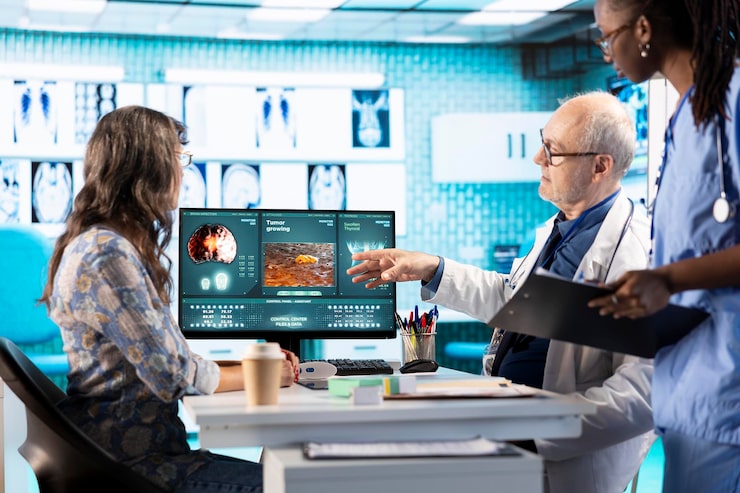
AI is making these systems smarter. They learn from millions of patients. They predict health risks accurately. The partnership is powerful. Doctors bring human judgment. Computers bring data power. Together, they are unbeatable. Trust in these systems is growing. However, the doctor decides. The machine only advises. The human touch remains. But the human is now supported. Medicine is entering a new era. It is safer and smarter.
