

Digital evidence plays a crucial role in solving cybercrimes, corporate disputes, internal security incidents, and legal cases. With technology evolving rapidly, organizations and investigators depend on advanced tools to collect, analyze, and preserve data safely. A strong digital forensics investigation requires reliable platforms designed to uncover truth, maintain evidence integrity, and support clear reporting.
Today, forensic tools are smarter, more automated, and capable of handling larger data volumes than ever before. Whether examining mobile phones, computers, networks, or cloud environments, these tools offer accuracy, speed, and reliability. This detailed guide explores the leading solutions investigators use and how they support a complete digital forensics workflow.
- Understanding the Role of Tools in Digital Forensics
- Why Digital Forensics Investigation Depends on the Right Tools
- Top Categories of Digital Forensics Investigation Tools
- Tools for Computer and File System Analysis
- Tools for Mobile Forensics
- Tools for Network Forensics
- Tools for Cloud Forensics
- Tools for Multimedia, Video, and Image Forensics
- Tools for Specialized Data Recovery
- Tools for Case Management and Reporting
- The Role of Investigation Software in Modern Digital Forensics
- Qualities of Effective Digital Forensics Tools
- Why Choosing the Right Tools Matters for Every Investigation
- Final Insights on Digital Forensics Tools
Understanding the Role of Tools in Digital Forensics
Every digital forensics case relies on technology to extract facts without compromising evidence. The goal is to uncover what happened, when it happened, and who was involved—while ensuring the findings remain legally defensible.
Tools help investigators analyze everything from deleted files and encrypted data to network logs and user activity. They streamline the process and maintain exact copies of evidence so the original data remains untouched. With rising cyber threats, evolving encryption, and larger storage capacities, forensic tools must be powerful, precise, and adaptable.
Modern solutions also incorporate AI, automation, and real-time monitoring features. These enhancements allow experts to work faster and make sense of massive datasets that would be impossible to review manually.
Why Digital Forensics Investigation Depends on the Right Tools
A successful digital forensics investigation relies on using validated, trusted tools that support each stage of handling evidence. Effective tools ensure:
Accurate data collection
Digital evidence must be collected without altering or damaging the original source. The right tools create exact copies and prevent contamination.
Deep and reliable analysis
Investigators must be able to identify patterns, recover deleted data, and reconstruct user actions. Forensic platforms provide search capabilities, filtering, timeline building, and metadata examination.
Secure evidence preservation
Evidence should maintain its integrity from collection to reporting. Forensic tools support chain-of-custody documentation and secure storage.
Efficient case management
Investigators often deal with large volumes of files, logs, and communication records. Tools help organize information and simplify reporting.
Legally defensible results
Courts and legal teams rely on clear, well-documented, and verifiable findings. Forensic software supports reporting standards and accepted methodologies.
As technology expands, the importance of specialized forensic platforms becomes even greater.
Top Categories of Digital Forensics Investigation Tools
The world of digital forensics includes several categories of tools, each with a different purpose. Together, these form a full toolkit for investigators handling everything from computers to cloud platforms. Below are the tools commonly used in each major area of investigation.
Tools for Computer and File System Analysis
Computer forensics tools focus on desktops, laptops, servers, and external drives. These solutions allow investigators to examine file systems, system logs, deleted files, installed applications, internet history, and more.
Platforms designed for computer forensics offer features such as disk imaging, metadata extraction, registry analysis, keyword search, encryption handling, and timeline reconstruction. They simplify the process of identifying suspicious files, malware traces, or unauthorized activity.
Advanced solutions also help investigators discover how attackers entered a system, what they changed, and whether any data was exfiltrated.
Tools for Mobile Forensics
Mobile device evidence is extremely valuable because smartphones store communication logs, app data, chat messages, GPS trails, photos, videos, and more. Tools in this category are designed to safely extract data from Android and iOS devices, even when protected by encrypted partitions.
Mobile forensic platforms support data recovery, logical and physical extraction, app analysis, SIM card examination, and cloud backup review. They help investigators understand user behavior, identify communication patterns, and evaluate location-based evidence.
As mobile devices become central to everyday life, mobile forensics tools have become essential to nearly every digital forensics investigation.
Tools for Network Forensics
Network forensics focuses on traffic patterns, packet data, router logs, intrusion alerts, and communication activity across an organization. Network-focused tools help investigators identify how attackers moved across systems, whether they accessed sensitive data, and what type of attack was carried out.
These tools support log analysis, intrusion detection, packet reconstruction, anomaly detection, and connection mapping. They also help reconstruct how an attacker navigated through a network, revealing both vulnerabilities and exploited pathways.
Network forensic analysis is especially important in incident response and cyberattack investigations.
Tools for Cloud Forensics
Cloud platforms store massive amounts of corporate and personal data. Tools for cloud forensics are designed to extract logs, snapshots, backups, and activity reports from cloud environments such as AWS, Azure, Google Cloud, and private cloud systems.
Cloud-focused forensic tools help investigators understand access patterns, virtual machine activity, configuration changes, and potential unauthorized access. They support compliance standards and allow secure extraction from remote environments without disrupting business operations.
Because more organizations rely on cloud computing, cloud forensics has become a core element in modern investigation workflows.
Tools for Multimedia, Video, and Image Forensics
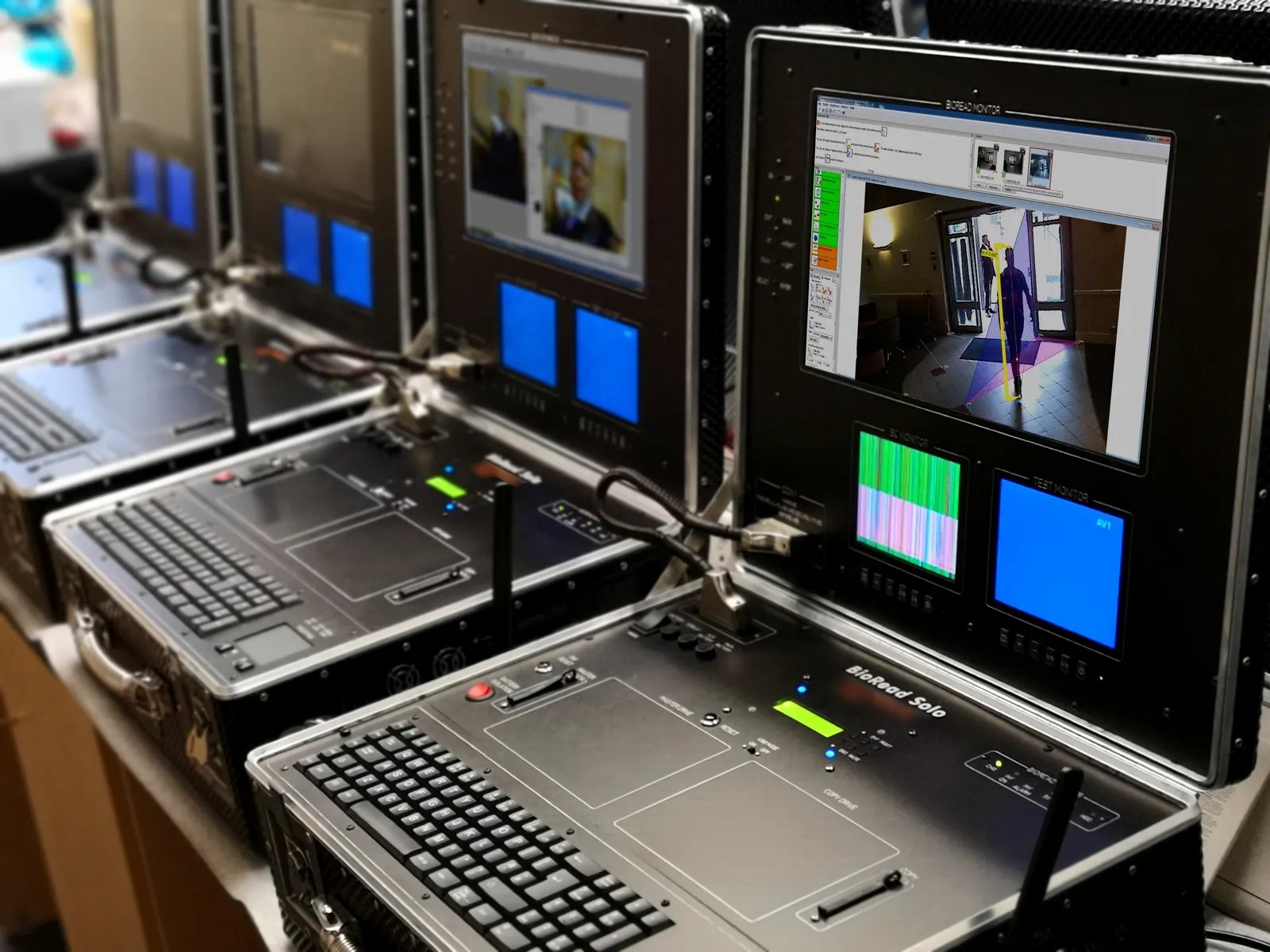
Video evidence continues to grow due to surveillance systems, police body cameras, mobile recordings, and home security cameras. This is where companies like Daetech Systems stand out, offering specialized tools designed for high-quality image and video enhancement.
These tools help investigators clarify footage, analyze motion, reduce noise, and extract detailed information. They support tasks such as license plate identification, object tracking, and frame-by-frame inspection. Multimedia forensics tools also help verify whether video files were altered or tampered with.
This area is increasingly important as video becomes a central part of many digital forensics cases.
Tools for Specialized Data Recovery
Some digital forensics investigations focus on retrieving lost or damaged data. Data recovery tools help restore files that have been deleted, corrupted, or hidden through encryption.
These solutions work with memory cards, hard drives, SSDs, mobile storage, and more. They play a key role in cyber incidents, accidental file loss, and corporate investigations.
Although not all recovered data is used as evidence, recovery tools give investigators access to vital information that would otherwise remain hidden.
Tools for Case Management and Reporting
Managing a digital forensics investigation requires organization, documentation, and strict compliance with chain-of-custody procedures. Case management tools simplify these tasks by offering secure storage, user access tracking, evidence labeling, and reporting templates.
Platforms in this category allow teams to collaborate, share findings, manage timelines, and maintain full transparency. They also ensure that every piece of evidence is handled according to legal standards.
The Role of Investigation Software in Modern Digital Forensics

While digital forensics includes a broad range of tools, investigation software plays a central role in unifying these processes. It brings together evidence collection, analysis, reporting, and management in a single workflow.
Investigation software provides features such as automated processing, keyword search, metadata indexing, AI-powered analytics, chain-of-custody tracking, and secure storage. It helps investigators work more efficiently and reduces the risk of human error.
As digital threats become more complex, all-in-one platforms are especially valuable for handling large cases, simplifying collaboration, and ensuring high-quality results.
Qualities of Effective Digital Forensics Tools
The strength of any tool lies in its reliability, accuracy, and compliance. Good forensic tools share the following traits:
They preserve evidence integrity
Every action must be forensically sound, preventing accidental modifications.
They support detailed documentation
Investigators must be able to prove how evidence was obtained and analyzed.
They provide deep, meaningful insights
Raw data is not enough—tools must help investigators interpret and understand the information.
They integrate well with other platforms
Successful investigations often combine multiple forensic methods.
They support legal compliance
Results must be admissible in court and defensible under scrutiny.
Organizations depend on tools that meet high standards and deliver precise, consistent outcomes.
Why Choosing the Right Tools Matters for Every Investigation
The quality of a digital forensics investigation depends heavily on the tools selected. Strong platforms increase the accuracy of findings, reduce the risk of oversight, and accelerate the investigation timeline. With the right solutions, investigators can uncover hidden evidence, review communication trails, identify insider threats, and reconstruct events clearly.
Poor-quality or unvalidated tools, on the other hand, may compromise evidence, lead to inaccurate conclusions, or cause legal challenges. This makes the choice of tools one of the most important decisions in any digital forensics workflow.
Final Insights on Digital Forensics Tools
Digital forensics is a field that demands precision, advanced capabilities, and strong safeguards. The tools used in a digital forensics investigation must meet high standards for accuracy, security, and reliability. Whether analyzing mobile devices, exploring network logs, enhancing video footage, or extracting cloud-based data, forensic tools define the quality of every investigation.
As digital ecosystems expand and cyber threats grow, organizations must rely on technology that supports fast, transparent, and accurate investigations. Companies like Daetech Systems continue to innovate in this space, offering powerful tools that help investigators uncover the truth and preserve digital evidence with confidence.
With the right combination of expertise and technology, digital forensics remains one of the most effective methods for protecting data, resolving disputes, and ensuring accountability in the digital age.
